
Date: May 22, 2009
Place: Building 31
Conference Room 10
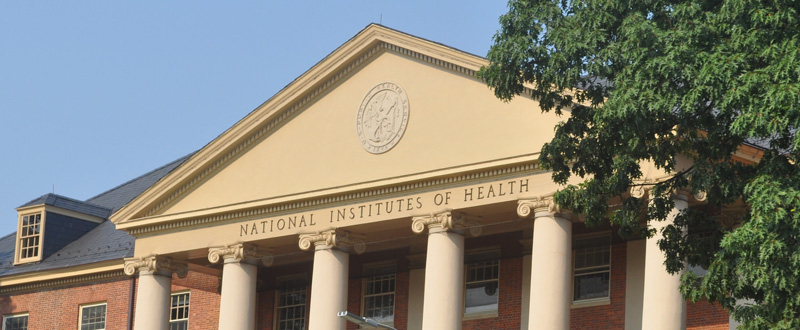
National Institutes of Health
Bethesda, Maryland
The 191st meeting of the National Advisory Dental and Craniofacial Research Council (NADCRC) was convened on May 22, 2009, at 8:32 a.m., in Building 31, Conference Room 10, National Institutes of Health (NIH), Bethesda, Maryland. The meeting was open to the public from 8:30 a.m. to 11:50 a.m.; it was followed by the closed session for Council business and consideration of grant applications from 1:00 p.m. until adjournment at 3:00 p.m. Dr. Isabel Garcia presided as Chair.
OPEN SESSION
Members Present
Dr. Carole A. Anderson
Dr. Gilda A. Barabino
Dr. Rena N. D’Souza
Dr. Cecile A. Feldman
Dr. Franklin Garcia-Godoy
Ms. Katherine Hammitt
Dr. KyungMann Kim
Dr. Laurie K. McCauley
Dr. Harold Morris (ex officio)
Dr. Philip P. Stashenko
Col. Kraig S. Vandewalle (ex officio)
Dr. Karin N. Westlund-High
Dr. Robert J. Weyant
Members of the Public
Dr. Peter Anas, Executive Director, Friends of NIDCR, Washington, D.C.
Dr. Ray Bowen, Distinguished Scientist, American Dental Association (ADA)’s Paffenbarger Research Center, Gaithersburg, MD
Dr. Clifton Carey, Director of Independent Research and Grants Administration, ADA’s Paffenbarger Research Center, Gaithersburg, MD
Ms. Deborah Darcy, Director of Congressional Affairs, American Dental Education Association, Washington, D.C.
Dr. Margaret Jane Gillespie, Director of Research, Southern Illinois University School of Dental Medicine, Alton, IL
Ms. Linda Naini, Social and Scientific Systems, Silver Spring, MD
Ms. Bobbie Peterson, Director, Business Development, Advanced Genomics Technology Center, Fairfax, VA
Dr. Robert G. Quivey, Jr., Director, Center for Oral Biology, University of Rochester School of Medicine and Dentistry, Rochester, New York
Dr. Louis Terracio, Associate Dean for Research, New York University College of Dentistry, New York, New York
Federal Employees Present
National Institute of Dental and Craniofacial Research
Dr. Lawrence A. Tabak, Director
Dr. Isabel Garcia, Deputy Director
Dr. Alicia Dombroski, Executive Secretary, and Director, Division of Extramural Activities (DEA)
Dr. Robert C. Angerer, Scientific Director, Division of Intramural Research (DIR)
Dr. Kathryn M. Carbone, Deputy Scientific Director, DIR
Mr. George J. Coy, Office of Administrative Management (OAM), Financial Management Branch (FMB)
Mr. Kevin L. Crist, DEA, Grants Management Branch (GMB)
Mr. Bret Dean, OAM, FMB
Mr. Linh Doan, Office of Information Technology (OIT)
Dr. James L. Drummond, Division of Extramural Research (DER), Integrative Biology and Infectious Diseases Branch (IBIDB)
Dr. Olga Epifano, DER, Behavioral and Social Sciences Research Branch (BSSRB)
Ms. Wendy Fanaroff-Ravik, Office of the Director (OD), Office of Clinical Trials Operations and Management (OCTOM)
Ms. Ki-Cha Flash, DEA, GMB
Dr. Leslie Frieden, DEA, Research Training and Career Development Branch (RTCDB)
Dr. Holli Hamilton, DER
Dr. Kevin Hardwick, DEA, RTCDB
Dr. Emily L. Harris, DER, Translational Genomics Research Branch (TGRB)
Dr. Kathy L. Hayes, Office of Science Policy and Analysis (OSPA)
Dr. Victor Henriquez, DEA, Scientific Review Branch (SRB)
Mr. Justin Hentges, DEA, GMB
Dr. Jonathan Horsford, DEA, SRB
Ms. Mary Kelly, DEA, SRB
Dr. Frances Kim, DER, Center for Clinical Research (CCR)
Dr. Lynn King, DEA, SRB
Dr. Raj Krishnaraju, DEA, SRB
Dr. John W. Kusiak, DER, IBIDB
Ms. Carol Loose, OAM, FMB
Dr. Nadya Lumelsky, DER, IBIDB
Dr. R. Dwayne Lunsford, DER, IBIDB
Ms. Jayne Lura-Brown, DER
Ms. Sandy Marks, OAM
Ms. Marsha Mason, OD, Division of Extramural Activities Support (DEAS)
Dr. Pamela McInnes, Director, DER
Dr. Eva Mezey, DIR, Craniofacial and Skeletal Diseases Branch (CSDB)
Dr. Marilyn Moore-Hoon, DEA, SRB
Dr. Ruth Nowjack-Raymer, DER, CCR
Ms. Lisa Peng, OIT
Mr. John Prue, Director, OIT
Dr. Melissa Riddle, DER, BSSRB
Ms. Delores Robinson, DEA
Dr. Isaac Rodriguez-Chavez, DER, IBIDB
Ms. Diana Rutberg, DEA, GMB
Dr. Steven Scholnick, DER, TGRB
Dr. Yasaman Shirazi, DER, IBIDB
Dr. Lillian Shum, DER, IBIDB
Dr. Romeo Tengey, DEA, GMB
Dr. Kelly Ten Hagen, DIR, Laboratory of Cell and Developmental Biology (LCDB)
Ms. R. Dianne Thorpe, OD, Administrative Officer, and OAM, Administrative Management Branch (AMB)
Mr. Jeffrey Thurston, DEA, GMB
Dr. Jason Wan, DER, IBIDB
Dr. Lois K. Cohen, Consultant
Other Federal Employees:
Dr. Mary Fran Deutsch, Office of the Director (OD), NIH, Office of Extramural Research (OER), Office of Policy for Extramural Research Administration (OPERA)
I. WELCOME AND INTRODUCTIONS
Dr. Isabel Garcia, Deputy Director, NIDCR, called the 191st meeting of the Council to order. She noted that Dr. Lawrence Tabak, Director, NIDCR, who continues to serve as Acting Principal Deputy Director, NIH, would be delayed in joining the Council meeting. Dr. Garcia invited all guests to introduce themselves.
Dr. Garcia introduced three new members of the NIDCR staff: Dr. Frances Kim, a health specialist in the Center for Clinical Research; Dr. Steven Scholnick, a health scientist administrator in the Division of Extramural Research (DER)’s Translational Genomics Research Branch; and Dr. Jason Wan, a program specialist, in DER’s Integrative Biology and Infectious Diseases Branch.
Dr. Alicia Dombroski, Executive Secretary of the Council, welcomed the Council and expressed NIDCR’s appreciation for its dedication to Institute activities.
II. FUTURE MEETING DATES
September 24, 2009
January 25, 2010
May 20, 2010
September 27, 2010
January 24, 2011
May 23, 2011
September 19, 2011
III. APPROVAL OF MINUTES
Dr. Dombroski invited the Council to consider and approve the minutes of the January 26, 2009, Council meeting. The Council unanimously approved the minutes.
IV. CONCEPT CLEARANCES
Dr. Alicia Dombroski
As Director of the NIDCR Division of Extramural Activities (DEA), Dr. Dombroski introduced staff presentations of four concepts for Council’s review and approval. Each concept clearance entailed staff’s description of the proposed research initiative, comments by two Council lead discussants, and Council’s discussion and consideration of approval. The four concepts and Council actions are summarized below.
Increasing the Service Life of Dental Resin Composites
Dr. James L. Drummond, DER, IBIDB
Dr. Drummond presented a proposed concept to stimulate and support state-of-the-art research to increase the service life of dental resin composites by understanding contributing factors such as the oral biofilm and the chemical and mechanical environment that may cause the decrease in durability. He noted that studies that compare the service life of dental restorations show that the average replacement time for dental resin composites is 5.7 years and that secondary decay is the main reason for replacing restorations. Composites are increasingly used for posterior restorations and are subject to the harsh chemical and mechanical environment of the oral cavity. Indications suggest that microbiological biofilm contributes to their degradation. Priority areas for the concept are to (i) study whether and how degradation of dental resin composites in the oral cavity within the biofilm contributes to secondary decay; (ii) evaluate the composites in a physiologically relevant oral environment; and (iii) develop new restorative materials or modify existing composites.
Discussion
Speaking as the Council’s lead discussants, Dr. Garcia-Godoy and Dr. Vandewalle supported the concept as a long-overdue and timely initiative, which would yield clinical evidence of the critical interrelationship between dental materials and the oral environment, particularly for dental resin composites, the most common restorative used. In response to questions from the Council, Dr. Drummond noted that the concept embraces restorative materials generally and is not limited to polymer composites. Ms. Hammit noted the importance of the research for patients with dry mouth.
The Council unanimously approved the concept.
Metagenomic Evaluation of Oral Polymicrobial Disease
Dr. R. Dwayne Lunsford, DER, IBIDB
Dr. Lunsford presented a concept entitled Metagenomic Evaluation of Oral Polymicrobial Disease. The goal of the concept is to stimulate innovative research using metagenomic technologies to increase understanding of the role of oral microbiota (specifically, archaea, bacteria, and fungi) in initiation and progression of oral diseases. Dr. Lunsford noted that NIDCR has a rich legacy of research on oral biota and that the concept would complement its co-leadership of the NIH Roadmap Human Microbiome Project, in which the oral cavity is one of five anatomical sites being studied. Priority areas for the proposed research are (i) the role of uncultivable species in oral infections and inflammations, and their potential contribution to oral health; (ii) role of oral microbiota in diseases such as periodontitis, caries, and other conditions of suspected microbial etiology (including endodontic and restoration failures); and (iii) secondary oral manifestations of microbial origin due to malignancy, aging, HIV infection, or other immunosuppressive states. Of specific interest are studies that investigate variations in microbial populations between individuals without disease and those in the early stages of disease and among individuals with differing disease severity both pre- and post-treatment.
Discussion
The Council’s lead discussants, Dr. McCauley and Dr. Westlund-High, remarked that the concept was well articulated and an important, essential area of research for NIDCR. Of more than 700 bacterial species in the oral cavity, only about 100 are currently known. The proposed research would expand knowledge of microbial populations in the oral cavity, one of the most important anatomical sites because of its complexity and link with systemic conditions. Dr. McCauley emphasized that NIDCR needs to be at the forefront of this research. In response to questions, Dr. Lunsford said that NIDCR is focusing on metagenomics currently because of the state-of-the-art technologies available and that the concept includes population studies.
The Council unanimously approved the concept.
NIDCR Small Research Grant for Data Analysis and Statistical Methodology:
Extension to Genome-wide Data
Dr. Emily L. Harris, DER, TGRB
Dr. Harris presented a concept to extend the NIDCR Small Research Grant for Data Analysis and Statistical Methodology to include genome-wide data. The goals are to highlight the availability of genome-wide association data for craniofacial and dental conditions and to provide support for analyses or use of such data to develop statistical methodology for genome-wide analyses of oral health data. Dr. Harris noted that, in January 2004, the Council approved an initial concept for the small research grant and that, since that time, genome-wide association studies have proven to be promising for identifying genetic susceptibility to common conditions. Priority areas for the current concept are: (i) analysis of available genome-wide data, and (ii) development of statistical methods that could be applied to existing genome-wide data related to oral health. NIDCR anticipates that data from genome-wide association studies of dental caries and oral clefts, funded by NIDCR and the trans-NIH Genes, Environment, and Health Initiative (GEI), will be available through the NIH database of Genotypes and Phenotypes (dbGaP) within the next few months.
Discussion
The Council’s lead discussants, Dr. Kim and Ms. Hammit, enthusiastically supported the concept. Dr. Kim noted that the targeting of statisticians and epidemiologists to participate in analyses of the data is timely, and he anticipated that they would respond enthusiastically. Ms. Hammit said that NIDCR must, and is poised to, take advantage of the explosion of data and knowledge emanating from genome-wide association studies. She envisaged that the cross-cutting research would bring new investigators into oral health research and would advance research on common and devastating craniofacial defects.
Dr. Garcia asked for Council’s help in making researchers aware of the availability of this small grant opportunity and in promoting applications. She noted that the small grant mechanism is useful for pursuing or staging research that could lead to larger grants [e.g., an Exploratory/ Developmental Research Grant Award (R21)]. She urged Council, in general, to help increase awareness for such NIDCR research opportunities. Dr. Pamela McInnes, Director of NIDCR’s Division of Extramural Research, said that NIDCR hopes that the concept will attract the larger research community to NIDCR genome-wide association studies. Responding to Dr. Kim, Dr. Garcia invited suggestions on venues for potential cross-talks between NIDCR and statisticians.
The Council unanimously approved the concept.
Dentist Scientist K99/R00 Pathway to Independence Award
Dr. Kevin Hardwick, DEA, RTCDB
Dr. Hardwick presented the concept for a new award mechanism to ensure that dual-degree dentist scientists receive sufficient mentoring and protected research time to transition successfully to tenure-track independent research careers and to encourage dental schools to take advantage of the availability of dentist scientists who have the skills and desire to focus on research. He noted that NIDCR has invested in creating a new cadre of dual-degree dentist scientists (D.D.S./D.M.D.–Ph.D.s). Up to 40 individuals have completed training under the NIDCR Dentist Scientist Training Program (DSTP) and another 100 are in the pipeline pursuing dual degrees. However, newly trained dentist scientists are having difficulty securing tenure-track research faculty positions and competing successfully for independent NIH funding.
In response to this difficulty, NIDCR proposes a transition award that is based on the NIH K99/R00 model and would be available only to dentist scientists who already hold dual dental and research doctorate degrees (i.e., D.D.S. and Ph.D.). The award comprises (i) a 2-year mentored, postdoctoral dedicated research phase and (ii) an independent phase of up to 5 years (e.g., more than 3 years if at a dental school and participating in clinical specialty training) with at least 75 percent protected research time. Clinical specialty training must fit within the other 25 percent time, and NIDCR will not provide support for the clinical training component. Eligibility for the second phase depends on having received an offer for a tenure-track position.
Discussion
The lead discussants, Dr. D’Souza and Dr. Anderson, raised several questions and concerns about the two phases of the proposed award. In response, Dr. Hardwick noted that the award is a “package deal” that could comprise 5–7 years depending on the length of the second phase. For example, dentist scientists who choose not to pursue clinical specialty training would be limited to only 3 years of support for the R00 phase. Commenting on the differences between the mentored K series and the proposed award, Dr. Hardwick noted that the R phase of the latter would pay all indirect costs (K awards pay 8 percent) as an incentive to encourage dental schools to participate and hire dentist scientists into research positions. Dr. Anderson mentioned the problems that some schools might have with a 5-year training period in a tenure-track position, especially schools with very rigid tenure clocks.
Dr. D’Souza suggested that NIDCR consider modifying the eligibility criteria for the second phase to require, rather than encourage, applicants to be writing an R01 application. She expressed concern about dentist scientists’ time—for example, to participate in a training program while serving as faculty, or to gain clinical specialty training while committing 75 percent of their time to research. Dr. Garcia said that the concept of the second phase derives from discussions between Dr. Tabak and dental schools deans and with dentist scientists. She noted that NIDCR wishes to pursue a new and different approach to gain different outcomes. The proposed approach may be effective in some, but perhaps not all, dental schools. Dr. Garcia added that NIDCR will monitor the program closely to determine whether it increases the number of dental researchers in the pipeline. Dr. D’Souza suggested that NIDCR market the value of the D.D.S.–Ph.D. model.
In full discussion, some Council members questioned support for time spent in clinical specialty training, believing that it would further encourage dentist scientists to pursue clinical careers. Members also noted the strength of the concept in advocating up to 5 years of research time, as well as a weakness in limiting the time available for clinical specialty training. Asked when an applicant could apply for the award, Dr. Hardwick said that applicants could apply as soon as they have both a D.D.S. and a Ph.D. degree and that he would look into whether they would be eligible to apply earlier, but not receive awards until they have obtained both degrees.
The concept was approved by Council, with one member voting against it.
V. TRAINING REPORT – INSTITUTIONAL TRAINING GRANT UPDATE
Dr. Kevin Hardwick, DEA, RTCDB
Dr. Hardwick reported on the status of the NIDCR portfolio of institutional training grants (T32s). In Fiscal Year (FY) 2008, NIDCR supported 21 comprehensive T32s. Of these, 19 were funded (commitments for 7 are through 2011, and for 12 through 2012), and 2 received extensions of their project periods. In addition, NIDCR supported two clinical research T32s, which will continue through 2010, and two D.D.S./M.S. T32 programs, which will continue through 2013. Dr. Hardwick noted that the comprehensive T32 Program Announcement expired in FY 2007 and that no new applications are being accepted in FY 2008 and FY 2009. The NIDCR has developed a new Funding Opportunity Announcement (FOA) for applications beginning in September 2010.
In FY 2008, the NIDCR portfolio of National Research Service Awards (NRSAs) amounted to approximately $12 million for T32s and almost $2 million in F awards. In May 2009, the 237 long-term T32 trainees consisted of 134 predoctoral trainees (61 in DSTPs and 73 in Ph.D. programs) and 103 postdoctoral trainees (19 dentists enrolled in a Ph.D. program, 17 in a D.D.S./Ph.D. program, 15 other dentists, and 52 non-dentists). In comparison, the 50 trainees who have an F31 or F32 (not an F33) award consisted of 35 predoctoral trainees (18 in DSTPs and 17 in Ph.D. programs) and 15 postdoctoral trainees (2 dentists enrolled in a Ph.D. program and 13 non-dentists).
For the future, NIDCR aims to convert institutional training from a T32 program to a T90/R90 program, which allows accepting trainees who are not U.S. citizens, and to shift part of its investment in training from institutional slots to individual fellowships (F awards). In addition, NIDCR will use the institutional training program to focus on recruiting individuals into predoctoral slots for oral health research careers, identifying specific opportunities for postdoctoral slots, and offering specialized programs for short-term slots (e.g., a pre-DSTP). NIDCR will discontinue the summer training program for dental students, which has not resulted in individuals choosing to go into research careers.
To strengthen predoctoral recruitment, NIDCR will continue to fund institutional DSTPs and predoctoral Ph.D.s, but will encourage trainees to apply for F30/F31 awards while limiting the years of support on T90 awards. The opportunities for postdoctoral trainees will focus on dentists pursuing research careers and training in oral pathobiology for non-clinician Ph.D.s. Engagement of non-citizen dentists will be limited to 25 percent of trainees, as was specified in the NIH Roadmap T90/R90 program.
Discussion
Dr. Hardwick emphasized that NIDCR is committed to the support of research training. Dr. Garcia commented that NIDCR’s investment in training amounts to approximately 7 percent of the total budget. She noted that NIDCR does not expect to decrease this level of investment, but, rather, to distribute the resources differently.
In response to questions, Dr. Hardwick said that dentists pursuing research degrees, who are currently supported under a T32 award, would be encouraged to apply for individual F fellowships. Drs. Hardwick and Garcia noted that dental students have a great opportunity currently to combine NIDCR-supported training with predoctoral training offered under the Clinical Translation Science Awards (CTSAs) funded by the National Center for Research Resources (NCRR). Council members noted the continuing need to find effective ways to attract individuals into oral health research.
VI. REPORT OF THE DIRECTOR
AMERICAN RECOVERY AND REINVESTMENT ACT
FY 2010 BUDGET REPORT
Dr. Lawrence Tabak
Dr. Tabak reported on the FY 2009 and FY 2010 budgets and NIDCR opportunities and plans relating to the American Recovery and Reinvestment Act (ARRA).
FY 2009 and FY 2010 Budgets
For FY 2009, the total NIH budget is approximately $30.5 billion, of which 84.2 percent (or $25.7 billion) is allocated to extramural research and 15.8 percent (or $4.8 billion) is allocated to the intramural program. Dr. Tabak noted that total NIDCR budget, at approximately $402 million, crosses the threshold of $400 million for the first time. He also said that, for FY 2010, the President’s Budget requests approximately $408 million for NIDCR and that much of the increase over FY 2009 would be for cancer research. Neither the FY 2009 nor FY 2010 budgets include stimulus monies provided under ARRA.
NIDCR has set forth six initiatives for FY 2009. These are (i) a second round of a Request for Applications (RFA) for developing complex models of oral behavior; (ii) an RFA for the Face Base Consortium: Functional genomics of craniofacial development and orofacial clefts; (iii) an RFA on harnessing inflammation for reconstruction of oral and craniofacial tissues; (iv) genome-wide association studies for Sjögren’s syndrome; (v) a second round of an RFA for translational application of gene-silencing strategies to oral and craniofacial disorders; and (vi) a Program Announcement (PA) to stimulate interdisciplinary research on oral manifestations of HIV/AIDS in vulnerable populations. Initiatives for FY 2010 address metagenomics of oral biomaterials in health and disease, genome-wide studies of chronic pain, development and sustainability of the oral health research workforce, oral microbial vaccines against HIV infection, and extending the life of dental restoratives.
ARRA: Opportunities and Plans
Dr. Tabak encouraged the Council members to say “thank you” for the research-stimulating dollars provided by the Act and to be appreciative of being “part of the solution” to the economic recovery. In FY 2009–FY 2010, the NIH will receive an additional $10.4 billion, of which $7.4 billion will be distributed to the institutes and centers (ICs); $1.3 billion will go to NCRR for repair, improvement, and construction of extramural research facilities; $0.4 billion will support comparative effectiveness research through the Agency for Healthcare Research and Quality (AHRQ), and $0.5 billion will fund deferred maintenance (repair, improvement, and construction) of intramural research facilities.
Dr. Tabak emphasized that NIH’s ARRA funds will be distributed overwhelmingly to the extramural community. He listed the NIH-wide FOAs made possible by this additional funding. They include FOAs for NCRR shared instrumentation projects, high-end instrumentation, networks, improvement of extramural facilities, and renovation of core facilities; NIH Challenge Grants in Health and Science Research (for which NIH has received approximately 20,000 applications), Grand Opportunities (GO) grants, and administrative supplements to support recruitment of new faculty to biomedical core centers (P30s); administrative supplements to support student and teacher participation in NIH summer programs; and IC grants for autism spectrum disorders and community participation in health disparities research. Additional FOAs under consideration include funding for a small business program to complement the current NIH programs, infrastructure to transform relationships between academic health centers and communities, research training in diversity, and behavioral and social science research.
Dr. Tabak noted that the requirements for reporting and tracking the use of stimulus dollars are unprecedented. The NIH is developing spending, operational, and implementation plans; revisiting the regulations of the Government Performance Requirement Act; and designing online and interrogational Web reports.
Preliminary ARRA Data from NIDCR. NIDCR will receive approximately $102 million in ARRA funding. Dr. Tabak said that NIDCR’s preliminary plans are to distribute approximately 50 percent of the funds to research project grants (e.g., R01s, R21s, R03s) and approximately 20 percent to Challenge grants and GO grants. The remaining dollars would be distributed to P30 and other center supplements (11 percent), administrative supplements (including collaborative science and the summer research program) (10 percent), small business awards (4 percent), revisions (2 percent), intramural equipment (0.5 percent), research management and support (0.4 percent), and training (0.2 percent).
Dr. Tabak highlighted three NIH opportunities as especially relevant to the dental community: (i) administrative supplements for students and teachers, (ii) P30 awards to recruit core center faculty to dental schools, and (iii) NIH Academic Research Enhancement Award (AREA). He congratulated the dental community for its response in applying for administrative supplements for students and teachers, and he noted that NIDCR has received a number of letters of intent to submit applications for the P30 grants . Dr. Tabak urged Council members to encourage dental institutions to apply for the AREA program, which will increase science awareness and literacy and potentially enhance the pipeline of dental researchers. He noted that many dental schools could qualify for this program and that applications are due September 24, 2009.
In closing, Dr. Tabak noted that the ARRA is a wonderful opportunity and that NIDCR has demonstrated an untapped capability to utilize resources that will help create and preserve jobs and stimulate research for years to come. He encouraged Council members to articulate locally and publicly any receipt and use of ARRA resources (e.g., in creating or retaining jobs, enabling science projects) and to continually reinforce to the public the added value of including science “in the solution” for economic recovery. Dr. Tabak thanked NIDCR staff for their months-long, round-the-clock effort to accomplish the extra workload generated by ARRA.
Discussion
After expressing “thank you” for the availability of ARRA funds, several Council members asked about dentistry’s participation in accessing these funds in the NIH initiatives. Dr. Tabak elaborated on dental schools’ access to ARRA funds for extramural research facilities improvement (construction, renovation, repair), which is being supported under the C06 mechanism through NCRR. He noted that NCRR is well aware of the infrastructure needs at academic institutions beyond medical schools and that, insofar as NIH is limiting the number of C06 awards, dental schools’ ability to apply for these funds will depend on their university’s allocations of Institution Profile File (IPF) codes. The FOA soliciting applications (RFA-RR-09-008) specifies that an institution is defined as an organization with a separate IPF code identifier. Dr. McInnes noted that NIDCR communicates daily with NCRR and that, based on NIDCR input, NCRR is allowing up to three C06 applications per institution.
Dr. Tabak encouraged the Council and other dental leaders and researchers to participate, as invited, in NIH study sections reviewing grant applications (e.g., the enormous volume of applications received for NIH Challenge Grants). Dr. McInnes encouraged Council members to communicate to NCRR the need for appropriate representation of dental researchers on review panels.
Dr. Tabak encouraged Council members further to serve as “sentinel actors” and inform NIDCR of new scientific opportunities that may emerge from the expansion of research activities and could be incorporated into the NIDCR Strategic Plan. He and the Council thanked NIDCR staff for their phenomenal effort in answering investigators’ questions about the ARRA initiatives and handling the large volume of work involved
VII. INTRAMURAL PRESENTATIONS
Dr. Robert Angerer, Scientific Director, Division of Intramural Research (DIR)
Dr. Angerer introduced two presentations from the Intramural Research Program. He noted that the program comprises 300 staff and that each component—a branch, laboratory, or section—is reviewed at least every 4 years by the extramurally constituted Board of Scientific Counselors.
How Do Bone Marrow Stromal Cells Fight Sepsis?
Dr. Eva Mezey, DIR, Craniofacial and Skeletal Diseases Branch (CSDB), Adult Stem Cell Unit
Dr. Mezey reported on research that she and coworkers have conducted on sepsis—a severe whole-body inflammatory condition that is associated with microbial infections. Each year 700,000 people in the United States develop sepsis, and 250,000 die from it. Caring for septic patients is expensive; the cost is about $20 billion annually. It is clear that more effective interventions are needed. Currently, antibiotics are the mainstays of sepsis therapy. While these may reduce the number of bacteria in the body, they do not alter the unbridled inflammation seen early in septic individuals, or prevent the “immune paralysis” that can occur later.
Bone marrow stromal cells (BMSCs), which are primarily known to support hematological function, can also moderate immune functions of a variety of cells. Dr. Mezey noted that attention was focused on BMSCs when, as published in The Lancet in 2004, a Swedish investigator reported successful use of unmatched mesenchymal stem cells to treat a child with severe graft-versus-host disease. The advantages of BMSCs include being easily cultured and expanded and stored in frozen aliquots and, most importantly, being able to be used without immunological matching.
In their studies, Dr. Mezey and colleagues isolated, cultured, and expanded BMSCs and injected them intravenously into mice to see whether they could increase the survival following cecal ligation and puncture (CLP)—a model of peritonitis. Given as long as 1 hour following the surgical procedure, BMSCs rescued nearly 50 percent of the animals. Dr. Mezey focused her presentation on the mechanisms responsible for this activity. She and her colleagues have shown that, in response to infectious agents, BMSCs associate themselves to macrophages and “reprogram” them. In the absence of BMSCs, the macrophages produce pro-inflammatory cytokines such as tumor necrosis factor (TNF)-alpha and interleukin (IL)-6. In the presence of BMSCs, they make an anti-inflammatory cytokine, IL-10, instead. Prostaglandins secreted by the BMSCs appear to play a key role in inducing this switch in cytokine synthesis and release. Dr. Mezey noted that these findings support the suggestion that BMSCs could be used to treat septic patients, which is one of the goals of a new NIH “Manhattan project.” In fact, a paper published on a preliminary trial reports use of BSMCs as an effective treatment in patients with drug-resistant peritonitis. The studies summarized by Dr. Mezey were described recently in Nature Medicine (Németh et al., vol. 15: 42–49, 21 November 2008).
Discussion
Dr. McCauley remarked that this research is exciting and elegant work. In response to questions, Dr. Mezey noted that the health effects of BMSCs on organ function were observed immediately within a day, and that administering IL-10 instead of BMSCs would not work because it is too labile to use directly and has severe side effects.
Protein Glycosylation During Development: How Sweet It Is!
Dr. Kelly Ten Hagen, DIR, Laboratory of Cell and Developmental Biology (LCDB), Developmental Glycobiology Unit
Dr. Ten Hagen presented an overview of her work to investigate the role of glycosylation during development. Glycosylation (i.e., the addition of sugars to protein cores) is widespread in the body and is responsible for many diverse effects. In the fly, defects in glycosylation affect cell signaling to cause leg and wing deformations. In humans, aberrant glycosylation results in craniofacial, hand, and feet deformations; immune system dysfunction; growth or mental retardation; and periodontitis.
Dr. Ten Hagen reported on her studies of one type of glycosylation—mucin type O-linked glycosylation, which is abundant in salivary glands. She and her colleagues are using the fly Drosophila melanogaster and mice to investigate the role of O-glycans during tubulogenesis and organogenesis. The main questions being pursued are: Where are O-glycans present in development? Where is aberration evident? What are the O-glycans doing? The scientists have focused on a complex family of enzymes, creating mutations by knocking out specific enzymes and studying the effects.
The results of their experiments show that O-glycans are abundant in tubular structures (e.g., salivary glands, gut) and that mutations lead to aberrant formation of the tracheal tube (in Drosophila). In Drosophila, mutations also yield effects on cell morphology (e.g., cell adhesion), which are apparent in the blistering of wings. Preliminary data indicate that O-glycans may be involved in mediating the spatial and temporal distribution of extracellular matrix proteins that are known to bind integrins. Additional research, conducted with investigators in the NIDCR Salivary Gland Initiative, indicates that different enzymes that control glycosylation are expressed uniquely at different stages of salivary gland development in mice, suggesting that the enzymes have distinct roles in the development of these glands.
Currently, Dr. Ten Hagen and her colleagues are working to identify molecules that are glycosylated in early development. They will continue to use genetic, biochemical, proteomic, and bioinformatic approaches to decipher the mechanistic roles of O-glycans in development and disease.
CLOSED SESSION
This portion of the meeting was closed to the public in accordance with the determination that it was concerned with matters exempt from mandatory disclosure under Sections 552b(c)(4) and 552b(c)(6), Title 5, U.S. Code and Section 10(d) of the Federal Advisory Committee Act, as amended (5 U.S.C. Appendix 2).
VIII. REVIEW OF APPLICATIONS
Grant Review
The Council considered 564 applications requesting $116,846,386 in total costs. The Council recommended 375 applications for a total cost of $74,386,978 (see Attachment II).
ADJOURNMENT
The meeting was adjourned at 3:00 p.m. on May 22, 2009.
CERTIFICATION
I hereby certify that the foregoing minutes are accurate and complete.
________________________ _________________________
Dr. Lawrence A. Tabak Dr. Alicia Dombroski
Chairperson Executive Secretary
National Advisory Dental and National Advisory Dental and
Craniofacial Research Council Craniofacial Research Council
ATTACHMENTS
I. Roster of Council Members
II. Table of Council Actions
III. Director’s Report to the NADCRC, May 2009
NOTE: A complete set of open-session handouts is available
from the Executive Secretary.