



Dental Materials
Overview
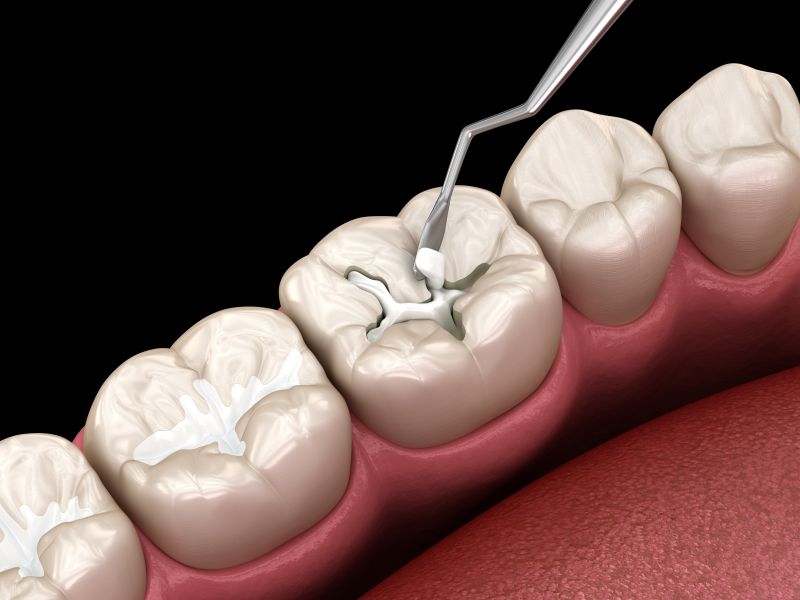
Dental materials are specially formulated substances used in dentistry to restore or replace damaged or missing teeth and surrounding tissues, manage and repair infected or injured dental pulp with root canal procedures, adjust tooth alignment, and improve overall oral health. Dental materials also include implants, bone grafts, and membranes that help repair and regenerate bone and soft tissue. All dental materials are evaluated to meet U.S. Food and Drug Administration (FDA) safety requirements before they are approved for clinical use. The FDA helps protect patients by ensuring dental materials are safe and effective before and after they are used in dental care.
Preventive dental materials are used to prevent oral health problems before they occur. For example, materials like fluoride varnish, silver diamine fluoride, dental sealants, calcium/phosphate-releasing systems, and bioactive glass systems primarily help prevent tooth decay.
Restorative dental materials are used to repair or replace damaged, decayed, or missing tooth surfaces. Depending on the type of restoration needed, they can be made from various materials and can be applied in the mouth in different ways. Common restorative materials include metals or metal alloys, glass ionomer cements, and ceramics and composite resins, which can be matched to the natural shade of teeth. Direct restorations like a dental amalgam (silver filling) are placed directly on teeth and are suitable for smaller areas of decay or damage. Indirect restorations, such as crowns, veneers, and bridges, are custom made in a laboratory using techniques like digital design, milling, or 3D printing for precise results and are used for more substantial damage, often to fully cover or replace the tooth. These restorations may require multiple visits to mold, fabricate, and finally place in a patient’s mouth.
Auxiliary dental materials are supporting materials used for the fabrication, placement, and maintenance of dental restorations and other procedures. They help ensure accurate, long-lasting, and comfortable dental restorations and prostheses. Examples include adhesives for bonding fillings or crowns to teeth, impression materials, cements, liners, polishing agents, and temporary materials used during the restoration process.
Why is Dental Materials Research Important?
Research on dental materials is essential for developing new and improved materials and techniques for stronger and longer-lasting dental restorations, addressing complex oral health challenges, and improving patient outcomes. Current active areas of research include:
- Producing safe and effective alternatives to dental amalgam: While a popular and effective choice for dental fillings for decades, dental amalgam contains mercury, which poses potential adverse health concerns and its use is being phased down. Researchers are working to generate safer alternative materials that match all the beneficial features of amalgam, such as high strength, long-term performance, ease of use, and low cost.
- Increasing the longevity of dental restorations: Physical stress from chewing, as well as factors like saliva, bacteria, pH, and temperature changes in the oral environment, can degrade dental restorations and their adhesive materials. Repeated replacement of restorations can increase the risk of tooth loss over time because some of the natural tooth structure is removed each time a filling or crown is placed to ensure proper fit and function. Researchers are working to develop more resilient restorative and adhesive materials that resist wear and breakdown, provide a tight seal to prevent harmful substances and bacteria from leaking, and stay securely bonded to teeth under real-life conditions. Additionally, scientists are creating materials that can safely control bacteria and prevent plaque buildup to help fight tooth decay.
- Improving the integration of dental implants: Implants that are surgically inserted into the jaw can sometimes lead to inflammation of the tissues around the implant, causing bone loss and implant failure. They can also fail if they take too much physical stress and do not properly integrate with the bone. Researchers are developing strategies to prevent and manage tissue inflammation and form a more stable connection with the bone by improving how the bone tissue heals around implants. Research is also focused on improving the soft-tissue attachment around dental implants and reducing risks of infections, which can cause implant failure.
Such advances in dental materials research aim to improve patient health and may reduce costs and time losses. By making dental materials stronger, more effective, and easier to use, research can help improve access to oral care, reduce repeat treatment, and protect natural teeth.
How is NIDCR Investing in Dental Materials Research?
NIDCR invested over $11 million into dental materials research in fiscal year 2024.
Examples of NIDCR-supported research include:
- Advancing next-generation dental composites. Developing new dental composite materials and curing techniques to optimize clinical performance.
- Developing smart dental materials. Exploring artificial intelligence (AI)-driven materials design and early-stage smart material concepts that could detect and respond to changes in the mouth, like stress or cracks in fillings. Ensuring that early-stage materials are safe, reliable, and beneficial, with no harmful effects on surrounding tissues or overall health.
- Enhancing dental materials with nanotechnology. Integrating nanomaterials into dental applications to make them stronger, improve bonding, and add antimicrobial properties. This includes using extremely small materials and energy-based technologies to make dental materials work better and help prevent plaque build-up. These innovations are being tested for safety and effectiveness in the mouth.
- Improving patient care with implant data. Developing registries and real-world data systems to track implant therapies, complications, and long-term outcomes.
- Personalizing bone implants for improved healing and repair. Advancing personalized regenerative strategies, including bone and tissue grafts and biomaterials, to improve healing and repair while addressing infection and inflammation.
- Refining dental adhesion techniques. Blending bioactive molecules into adhesive materials to increase adhesion and improve resilience in the mouth.
- Revolutionizing endodontics. Creating multifunctional biomaterial and bioactive ceramics that mimic dentin and pulp structures to support healing and regeneration.
- Speeding the clinical translation of dental materials. Developing clinically relevant testing methods, standards, and the FDA Medical Device Development Tools program to accelerate dental materials approval pathways, reducing the need for long clinical trials.
Download a PDF version of Dental Materials [PDF - 2 pages, 124.41 KB]
January 2026