English


Background

The Practice-Based Research Integrating Multidisciplinary Experiences in Dental Schools (PRIMED) initiative aims to foster a culture of scientific inquiry in dental schools. It is intended to provide dental school faculty, students, and residents with opportunities to conduct practice-based research in dental school clinics and/or affiliated clinics to foster development of clinical and patient-oriented research skills.

Background

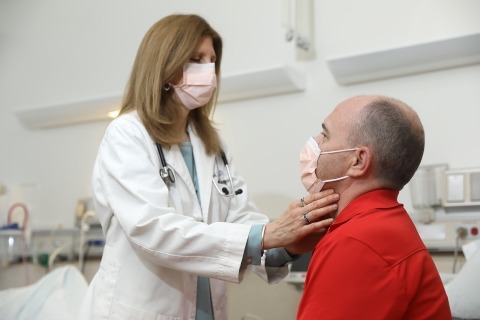
Head and neck cancers are the sixth most common type of cancers worldwide, and more than 65,000 people are diagnosed each year in the United States. Despite prevention efforts and improved treatment, the overall five-year survival rate for head and neck cancer patients remains around 40%-50%. The low survival rate and low quality of life for patients are often due to limited detection and interventions for early disease.

Background

Temporomandibular disorders (TMDs) are a set of more than 30 conditions that can cause debilitating pain and dysfunction in the temporomandibular joint, chewing muscles, and surrounding tissues. They affect 5%–10% of the U.S. population and are twice as common in women than in men. TMDs are driven by a complex interplay of biological, psychological, and environmental factors, but significant gaps remain in scientists’ understanding of the underlying mechanisms.

Seven-year-old Jianna Monchais was an enigma to doctors as an infant. Physicians struggled to explain the large birthmarks across her body and puzzled over why she started menstruating as a baby. Some years earlier, and hundreds of miles away, Kelly Cohen had noticed similar birthmarks on her son, Liam, who, by his fifth birthday, had broken his femur — the strongest bone in the body — multiple times. Both families have received answers and expert care over the years from clinician-scientists at the National Institutes of Health.